Buy cryptosell.eu ?
We are moving the project
cryptosell.eu .
Are you interested in purchasing the domain
cryptosell.eu ?
domain@kv-gmbh.de · 0541-91531010
Buy cryptosell.eu ?
Can Ytong be halved lengthwise?
Yes, Ytong can be easily halved lengthwise using a saw or a sharp cutting tool. Ytong is a lightweight and easy-to-cut material, making it simple to achieve a clean and precise cut. However, it is important to use proper safety equipment and techniques when cutting Ytong to avoid any accidents or injuries. **
Can Ytong blocks be painted?
Yes, Ytong blocks can be painted. However, it is important to prepare the surface properly before painting to ensure good adhesion. This may involve cleaning the surface, applying a primer, and using the appropriate type of paint. It is also recommended to use breathable and flexible paint to allow for any movement in the blocks. **

Similar search terms for Ytong
Top-Angebote
Products related to Ytong:
-
York Wallcoverings Exchange Crystal Shore WallpaperExchange's small, unique, fractured lines feel like an artisanal installation rendered in burnished metallic against a textural plaster ground, shown in taupe grey with burnished metallic..170,00 $*Shipping: 0,00 $Secure redirect to the provider
-
York Wallcoverings Exchange Misty Haze WallpaperExchange's small, unique, fractured lines feel like an artisanal installation rendered in burnished metallic against a textural plaster ground, shown in sea glass green with burnished metallic..170,00 $*Shipping: 0,00 $Secure redirect to the provider

-
How do you saw Ytong?
To saw Ytong, you will need a hand saw or a power saw with a diamond-tipped blade. Make sure to wear protective gear such as goggles and a dust mask to protect yourself from the dust created during cutting. Measure and mark the area you want to cut, then carefully and slowly saw through the Ytong using a back-and-forth motion. It's important to use a gentle touch and let the saw do the work to avoid damaging the Ytong. After cutting, use a brush to remove any dust and debris. **
-
How thick is a Ytong wall?
A Ytong wall can vary in thickness depending on the specific application and building requirements. However, in general, Ytong walls are typically between 100mm (4 inches) to 300mm (12 inches) thick. The thickness of the Ytong wall will be determined by factors such as the structural load it needs to bear, insulation requirements, and local building codes. **
-
Does anyone have experience with Ytong bricks?
Yes, I have experience with Ytong bricks. Ytong bricks are lightweight, aerated concrete blocks that are easy to work with and provide good insulation properties. They are commonly used in construction for their thermal efficiency and soundproofing qualities. Overall, Ytong bricks are a popular choice for building projects due to their durability and energy-saving benefits. **
-
How can Ytong be attached to wood?
Ytong can be attached to wood using construction adhesive or mortar. Construction adhesive is a strong, durable adhesive that can be applied to the back of the Ytong block and then pressed onto the wood surface. Alternatively, mortar can be used to create a strong bond between the Ytong block and the wood by applying a layer of mortar to the wood surface and then pressing the Ytong block into the mortar. Both methods provide a secure attachment between the Ytong block and the wood surface. **

What is cheaper: drywall or Ytong wall?
Drywall is generally cheaper than Ytong wall. Drywall is a popular and cost-effective option for interior wall construction, as it is made from gypsum and paper and is relatively easy to install. Ytong wall, on the other hand, is a type of aerated concrete that is known for its insulating properties and durability, but it tends to be more expensive due to its higher material and labor costs. Therefore, if cost is a primary concern, drywall may be the more economical choice for wall construction. **
What are the construction costs for Ytong?
The construction costs for Ytong can vary depending on factors such as the size of the project, the location, and the specific Ytong products being used. Generally, Ytong is known for its cost-effectiveness due to its lightweight nature, which can reduce transportation and installation costs. Additionally, Ytong's insulating properties can lead to long-term cost savings on energy bills. Overall, while the initial construction costs for Ytong may be slightly higher than traditional materials, the long-term benefits and savings often make it a cost-effective choice for many construction projects. **
Top-Angebote
Products related to Ytong:
-
York Wallcoverings Exchange Crystal Shore WallpaperExchange's small, unique, fractured lines feel like an artisanal installation rendered in burnished metallic against a textural plaster ground, shown in taupe grey with burnished metallic..170,00 $*Shipping: 0,00 $Secure redirect to the provider
-
Can Ytong be halved lengthwise?
Yes, Ytong can be easily halved lengthwise using a saw or a sharp cutting tool. Ytong is a lightweight and easy-to-cut material, making it simple to achieve a clean and precise cut. However, it is important to use proper safety equipment and techniques when cutting Ytong to avoid any accidents or injuries. **
-
Can Ytong blocks be painted?
Yes, Ytong blocks can be painted. However, it is important to prepare the surface properly before painting to ensure good adhesion. This may involve cleaning the surface, applying a primer, and using the appropriate type of paint. It is also recommended to use breathable and flexible paint to allow for any movement in the blocks. **
-
How do you saw Ytong?
To saw Ytong, you will need a hand saw or a power saw with a diamond-tipped blade. Make sure to wear protective gear such as goggles and a dust mask to protect yourself from the dust created during cutting. Measure and mark the area you want to cut, then carefully and slowly saw through the Ytong using a back-and-forth motion. It's important to use a gentle touch and let the saw do the work to avoid damaging the Ytong. After cutting, use a brush to remove any dust and debris. **
-
How thick is a Ytong wall?
A Ytong wall can vary in thickness depending on the specific application and building requirements. However, in general, Ytong walls are typically between 100mm (4 inches) to 300mm (12 inches) thick. The thickness of the Ytong wall will be determined by factors such as the structural load it needs to bear, insulation requirements, and local building codes. **
Similar search terms for Ytong
-
York Wallcoverings Exchange Misty Haze WallpaperExchange's small, unique, fractured lines feel like an artisanal installation rendered in burnished metallic against a textural plaster ground, shown in sea glass green with burnished metallic..170,00 $*Shipping: 0,00 $Secure redirect to the provider
-
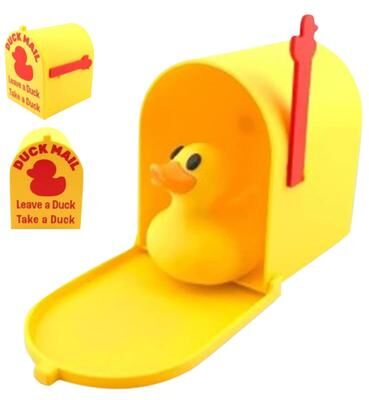
Lush Living Finds Interactive Duck Exchange Magnetic Stickers For Fridge, Locker Doors Decor Interactive Duck Exchange Magnetic Stickers For Fridge, Locker Doors DecorBrighten Up Your Home with the Cruising Duck Mini Mailbox Fridge Magnet The Cruising Duck Mini Mailbox Fridge Magnet is the ideal decorative addition to your fridge or locker. This adorable interactive duck brings fun to your home or office with its...49,97 $*Shipping: 0,00 $Secure redirect to the provider
-
Does anyone have experience with Ytong bricks?
Yes, I have experience with Ytong bricks. Ytong bricks are lightweight, aerated concrete blocks that are easy to work with and provide good insulation properties. They are commonly used in construction for their thermal efficiency and soundproofing qualities. Overall, Ytong bricks are a popular choice for building projects due to their durability and energy-saving benefits. **
-
How can Ytong be attached to wood?
Ytong can be attached to wood using construction adhesive or mortar. Construction adhesive is a strong, durable adhesive that can be applied to the back of the Ytong block and then pressed onto the wood surface. Alternatively, mortar can be used to create a strong bond between the Ytong block and the wood by applying a layer of mortar to the wood surface and then pressing the Ytong block into the mortar. Both methods provide a secure attachment between the Ytong block and the wood surface. **
-
What is cheaper: drywall or Ytong wall?
Drywall is generally cheaper than Ytong wall. Drywall is a popular and cost-effective option for interior wall construction, as it is made from gypsum and paper and is relatively easy to install. Ytong wall, on the other hand, is a type of aerated concrete that is known for its insulating properties and durability, but it tends to be more expensive due to its higher material and labor costs. Therefore, if cost is a primary concern, drywall may be the more economical choice for wall construction. **
-
What are the construction costs for Ytong?
The construction costs for Ytong can vary depending on factors such as the size of the project, the location, and the specific Ytong products being used. Generally, Ytong is known for its cost-effectiveness due to its lightweight nature, which can reduce transportation and installation costs. Additionally, Ytong's insulating properties can lead to long-term cost savings on energy bills. Overall, while the initial construction costs for Ytong may be slightly higher than traditional materials, the long-term benefits and savings often make it a cost-effective choice for many construction projects. **
* All prices are inclusive of VAT and, if applicable, plus shipping costs. The offer information is based on the details provided by the respective shop and is updated through automated processes. Real-time updates do not occur, so deviations can occur in individual cases. ** Note: Parts of this content were created by AI.