Buy cryptosell.eu ?
We are moving the project
cryptosell.eu .
Are you interested in purchasing the domain
cryptosell.eu ?
domain@kv-gmbh.de · 0541-91531010
Buy cryptosell.eu ?
Is possessiveness a disease?
Possessiveness is not considered a disease in the medical sense, but it can be a harmful trait that negatively impacts relationships and mental well-being. Excessive possessiveness can lead to controlling behavior, jealousy, and insecurity, which can strain relationships and cause distress for both the possessive individual and their partner. It is important to address possessiveness through communication, self-reflection, and potentially seeking therapy to work through underlying issues that may be contributing to this behavior. **
Is possessiveness also present in marriage?
Yes, possessiveness can be present in marriage. It can stem from feelings of insecurity, fear of losing one's partner, or a desire to control the relationship. While some level of possessiveness is normal in a romantic relationship, it can become unhealthy if it leads to jealousy, controlling behavior, or lack of trust. It is important for couples to communicate openly, set boundaries, and work on building trust to prevent possessiveness from negatively impacting their marriage. **


Similar search terms for Possessiveness
Top-Angebote
Products related to Possessiveness:
-
York Wallcoverings Exchange Crystal Shore WallpaperExchange's small, unique, fractured lines feel like an artisanal installation rendered in burnished metallic against a textural plaster ground, shown in taupe grey with burnished metallic..170,00 $*Shipping: 0,00 $Secure redirect to the provider
-
York Wallcoverings Exchange Misty Haze WallpaperExchange's small, unique, fractured lines feel like an artisanal installation rendered in burnished metallic against a textural plaster ground, shown in sea glass green with burnished metallic..170,00 $*Shipping: 0,00 $Secure redirect to the provider




-
What is the difference between possessiveness and jealousy?
Possessiveness is the desire to control or own something or someone, often stemming from a sense of ownership or entitlement. It can manifest as wanting to have power over a person or object. Jealousy, on the other hand, is an emotional response to a perceived threat or loss of something valuable, such as a relationship or possession. It often involves feelings of insecurity, fear of abandonment, or competition with others. While possessiveness is more about control and ownership, jealousy is more about fear of losing something important. **
-
What can I do about my jealousy and possessiveness?
To address jealousy and possessiveness, it is important to first acknowledge and understand the root causes of these feelings. Reflect on past experiences or insecurities that may be contributing to these emotions. Practice open communication with your partner about your feelings and work together to build trust and reassurance. Additionally, focus on building your self-esteem and confidence to reduce feelings of insecurity that may be fueling jealousy. Seeking support from a therapist or counselor can also be beneficial in addressing and managing these emotions. **
-
What is the cause of jealousy: love or possessiveness?
Jealousy can stem from both love and possessiveness. Love can lead to jealousy when there is a fear of losing the affection and attention of a loved one to someone else. Possessiveness, on the other hand, can also lead to jealousy when there is a strong desire to control and own the other person. Both love and possessiveness can trigger feelings of insecurity and fear of losing the connection with the person, which can result in jealousy. Ultimately, the cause of jealousy can be a complex combination of love and possessiveness. **
-
Is the concept of human partnership, love, without jealousy and possessiveness not possible?
The concept of human partnership and love without jealousy and possessiveness is possible, but it requires a deep level of trust, communication, and emotional maturity from both partners. It involves understanding that each person is an individual with their own autonomy and freedom, and that love does not equate to ownership. It requires a secure attachment style and the ability to manage insecurities and fears. While it may be challenging, it is achievable through open and honest communication, mutual respect, and a commitment to personal growth. **

How does the desire for control manifest in relationships through possessiveness and dominance?
The desire for control in relationships can manifest through possessiveness by wanting to have ownership and control over the other person. This can lead to jealousy, monitoring their activities, and trying to limit their interactions with others. Dominance can manifest through the need to have power and authority over the other person, leading to controlling behavior, making all the decisions, and using manipulation or coercion to maintain control. Both possessiveness and dominance can create an unhealthy dynamic in a relationship, leading to feelings of suffocation, lack of autonomy, and ultimately, the erosion of trust and intimacy. **
How secure is a crypto wallet?
A crypto wallet is considered secure as long as the user takes necessary precautions to protect it. This includes using strong passwords, enabling two-factor authentication, keeping the private keys offline, and regularly updating the wallet software. However, it is important to note that no system is completely immune to hacking or security breaches, so users should always stay vigilant and keep their wallets updated with the latest security measures. **
Top-Angebote
Products related to Possessiveness:
-
York Wallcoverings Exchange Crystal Shore WallpaperExchange's small, unique, fractured lines feel like an artisanal installation rendered in burnished metallic against a textural plaster ground, shown in taupe grey with burnished metallic..170,00 $*Shipping: 0,00 $Secure redirect to the provider
-
Is possessiveness a disease?
Possessiveness is not considered a disease in the medical sense, but it can be a harmful trait that negatively impacts relationships and mental well-being. Excessive possessiveness can lead to controlling behavior, jealousy, and insecurity, which can strain relationships and cause distress for both the possessive individual and their partner. It is important to address possessiveness through communication, self-reflection, and potentially seeking therapy to work through underlying issues that may be contributing to this behavior. **
-
Is possessiveness also present in marriage?
Yes, possessiveness can be present in marriage. It can stem from feelings of insecurity, fear of losing one's partner, or a desire to control the relationship. While some level of possessiveness is normal in a romantic relationship, it can become unhealthy if it leads to jealousy, controlling behavior, or lack of trust. It is important for couples to communicate openly, set boundaries, and work on building trust to prevent possessiveness from negatively impacting their marriage. **
-
What is the difference between possessiveness and jealousy?
Possessiveness is the desire to control or own something or someone, often stemming from a sense of ownership or entitlement. It can manifest as wanting to have power over a person or object. Jealousy, on the other hand, is an emotional response to a perceived threat or loss of something valuable, such as a relationship or possession. It often involves feelings of insecurity, fear of abandonment, or competition with others. While possessiveness is more about control and ownership, jealousy is more about fear of losing something important. **
-
What can I do about my jealousy and possessiveness?
To address jealousy and possessiveness, it is important to first acknowledge and understand the root causes of these feelings. Reflect on past experiences or insecurities that may be contributing to these emotions. Practice open communication with your partner about your feelings and work together to build trust and reassurance. Additionally, focus on building your self-esteem and confidence to reduce feelings of insecurity that may be fueling jealousy. Seeking support from a therapist or counselor can also be beneficial in addressing and managing these emotions. **
Similar search terms for Possessiveness
-
York Wallcoverings Exchange Misty Haze WallpaperExchange's small, unique, fractured lines feel like an artisanal installation rendered in burnished metallic against a textural plaster ground, shown in sea glass green with burnished metallic..170,00 $*Shipping: 0,00 $Secure redirect to the provider
-
Lush Living Finds Interactive Duck Exchange Magnetic Stickers For Fridge, Locker Doors Decor Interactive Duck Exchange Magnetic Stickers For Fridge, Locker Doors DecorBrighten Up Your Home with the Cruising Duck Mini Mailbox Fridge Magnet The Cruising Duck Mini Mailbox Fridge Magnet is the ideal decorative addition to your fridge or locker. This adorable interactive duck brings fun to your home or office with its...49,97 $*Shipping: 0,00 $Secure redirect to the provider
-
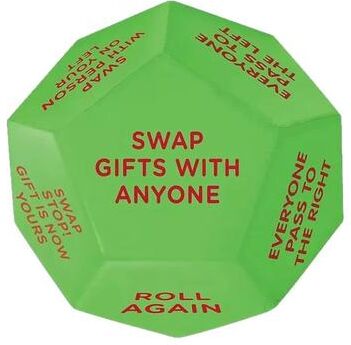
Inspired Finds Santa Swap Gift Exchange Dice Game 2025 Holiday Party Fun Activity Santa Swap Gift Exchange Dice Game 2025 Holiday Party Fun ActivityMake your holiday gatherings unforgettable with this Santa Swap gift exchange dice that turns the classic gift swap into an exciting interactive game. Designed for Christmas parties, office events, or cozy family nights, this oversized dice gives...34,99 $*Shipping: 0,00 $Secure redirect to the provider
-
What is the cause of jealousy: love or possessiveness?
Jealousy can stem from both love and possessiveness. Love can lead to jealousy when there is a fear of losing the affection and attention of a loved one to someone else. Possessiveness, on the other hand, can also lead to jealousy when there is a strong desire to control and own the other person. Both love and possessiveness can trigger feelings of insecurity and fear of losing the connection with the person, which can result in jealousy. Ultimately, the cause of jealousy can be a complex combination of love and possessiveness. **
-
Is the concept of human partnership, love, without jealousy and possessiveness not possible?
The concept of human partnership and love without jealousy and possessiveness is possible, but it requires a deep level of trust, communication, and emotional maturity from both partners. It involves understanding that each person is an individual with their own autonomy and freedom, and that love does not equate to ownership. It requires a secure attachment style and the ability to manage insecurities and fears. While it may be challenging, it is achievable through open and honest communication, mutual respect, and a commitment to personal growth. **
-
How does the desire for control manifest in relationships through possessiveness and dominance?
The desire for control in relationships can manifest through possessiveness by wanting to have ownership and control over the other person. This can lead to jealousy, monitoring their activities, and trying to limit their interactions with others. Dominance can manifest through the need to have power and authority over the other person, leading to controlling behavior, making all the decisions, and using manipulation or coercion to maintain control. Both possessiveness and dominance can create an unhealthy dynamic in a relationship, leading to feelings of suffocation, lack of autonomy, and ultimately, the erosion of trust and intimacy. **
-
How secure is a crypto wallet?
A crypto wallet is considered secure as long as the user takes necessary precautions to protect it. This includes using strong passwords, enabling two-factor authentication, keeping the private keys offline, and regularly updating the wallet software. However, it is important to note that no system is completely immune to hacking or security breaches, so users should always stay vigilant and keep their wallets updated with the latest security measures. **
* All prices are inclusive of VAT and, if applicable, plus shipping costs. The offer information is based on the details provided by the respective shop and is updated through automated processes. Real-time updates do not occur, so deviations can occur in individual cases. ** Note: Parts of this content were created by AI.