Buy cryptosell.eu ?
We are moving the project
cryptosell.eu .
Are you interested in purchasing the domain
cryptosell.eu ?
domain@kv-gmbh.de · 0541-91531010
Buy cryptosell.eu ?
How does server-side rendering work with React Vite?
Server-side rendering with React Vite involves rendering the initial HTML of a React application on the server before sending it to the client. Vite allows for server-side rendering by using plugins like `vite-plugin-ssr` which helps in setting up server-side rendering for React applications. When a user visits a page, the server generates the initial HTML content and sends it to the client, which then hydrates the content with React components. This approach helps improve performance and SEO by delivering pre-rendered content to the client. **
Is an ngrok server secure?
An ngrok server is not inherently secure, as it exposes your local server to the internet and can potentially be accessed by unauthorized users. However, ngrok does offer security features such as password protection and custom subdomains to help secure your server. It is important to use these security features and follow best practices for securing your ngrok server, such as using strong passwords and keeping your server software up to date, to minimize the risk of unauthorized access. **
Similar search terms for Server-side
Top-Angebote
Products related to Server-side:

-
How secure is an FTP server?
An FTP server is not considered very secure because it transmits data in plain text, making it vulnerable to interception and unauthorized access. Additionally, FTP does not have built-in encryption or strong authentication mechanisms, making it easier for attackers to compromise the server. As a result, it is recommended to use more secure file transfer protocols such as SFTP (SSH File Transfer Protocol) or FTPS (FTP over SSL/TLS) to ensure the security of data during transmission. Additionally, implementing strong access controls, regular security updates, and monitoring can help improve the security of an FTP server. **
-
How can I implement server side rendering (SSR) for an existing React website?
To implement server side rendering (SSR) for an existing React website, you can start by setting up a Node.js server to handle the rendering on the server side. You will need to use a library like Express to create routes for your React components. Next, you will need to modify your React components to be compatible with SSR, ensuring that any data fetching or API calls are done on the server side. Finally, you can use a library like ReactDOMServer to render your React components on the server and send the HTML to the client. This will improve the initial load time and SEO performance of your website. **
-
How can I implement server side rendering (SSR) on an existing React website?
To implement server-side rendering (SSR) on an existing React website, you can start by setting up a Node.js server to handle the rendering on the server side. You will need to configure your server to render React components on the server and send the fully rendered HTML to the client. You can use libraries like Next.js or Razzle to simplify the process of setting up SSR in your React application. Additionally, make sure to update your routing to work with SSR and optimize your application for server-side rendering to improve performance. **
-
How can the display brightness be regulated server-side in Paper Spigot 1165?
In Paper Spigot 1165, the display brightness can be regulated server-side by using the built-in server commands or by using a plugin that allows for controlling display brightness. Server commands such as /effect can be used to apply a potion effect to players that affects their visibility and brightness. Additionally, there are plugins available that allow server administrators to customize the display brightness settings for all players on the server. These plugins often provide a range of options for adjusting brightness levels and can be configured to automatically adjust brightness based on certain in-game conditions. **

How can you best secure a VPS server?
To best secure a VPS server, you can start by regularly updating the operating system and software to patch any security vulnerabilities. Implementing strong password policies and using multi-factor authentication can also help prevent unauthorized access. Additionally, configuring a firewall to restrict unnecessary network traffic and regularly monitoring server logs for any suspicious activity can help enhance security. Finally, consider using encryption for data transmission and storage to protect sensitive information. **
How can one best secure a VPS server?
Securing a VPS server involves implementing a combination of security measures to protect against potential threats. Some best practices include regularly updating the server's operating system and software, using strong and unique passwords, disabling unnecessary services and ports, implementing a firewall, enabling automatic backups, and monitoring server logs for any suspicious activity. Additionally, using encryption for data transmission and implementing multi-factor authentication can further enhance the security of a VPS server. Regular security audits and penetration testing can also help identify and address any vulnerabilities. **
Top-Angebote
Products related to Server-side:
-
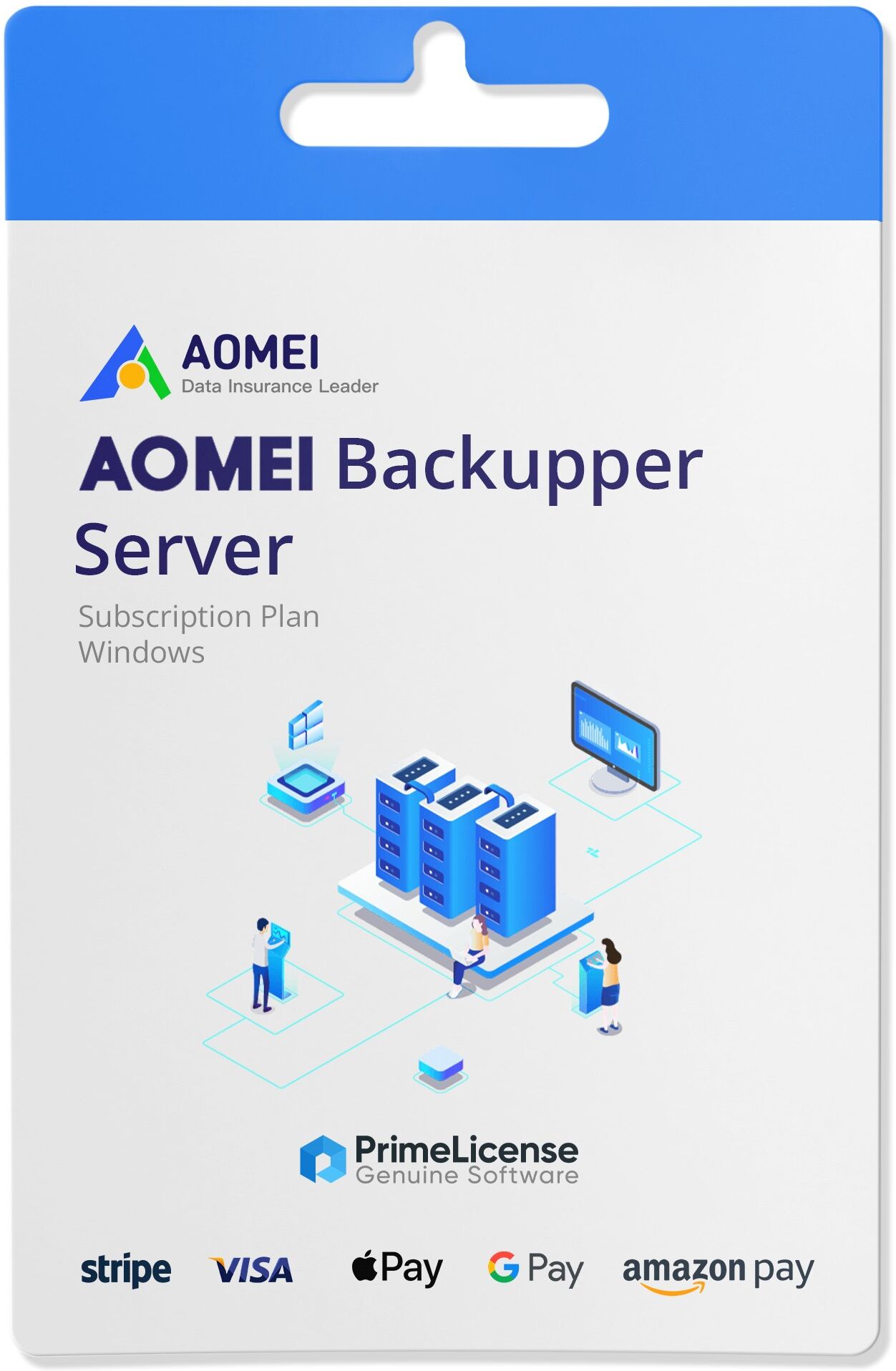
AOMEI Backupper ServerAOMEI Backupper Server is backup and recovery software designed specifically for the needs of small and medium-sized enterprises. With a comprehensive range of tools, it offers effective solutions for securing data on Windows servers. This programme is ideal for anyone wishing to protect their data from accidental loss or cyber-attacks such as ransomware.With a lifetime licence of AOMEI Backupper Server you get complete restoration and protection of your data at a price unmatched in the market.PrimeLicense is also an authorised AOMEI partner and vendor, guaranteeing product authenticity and a genuine warranty on your purchases. Key Features Flexible Backup: AOMEI Backupper Server allows you to perform full, incremental and differential backups, allowing you to choose exactly what data to protect. Entire systems, specific partitions or individual files can be backed up. Fast Recovery: In the event of a system failure, recovery is fast and simple. You can restore the entire server or specific parts within minutes, minimising downtime. Disk Cloning: The cloning function allows you to easily transfer data from one disk to another, useful when upgrading to an SSD or migrating to new machines. File Synchronisation: AOMEI Backupper offers real-time synchronisation options, ensuring files are always up-to-date across multiple devices or folders. Automatic Scheduling: Users can set up regular, automatic backups in different modes (daily, weekly, monthly), facilitating data management without the need for constant supervision. Advanced Protection: The software includes features for backup encryption and intelligent disk space management, automatically deleting old backup images according to user-defined criteria. Intuitive Interface: The user interface is simple and easy to navigate, making AOMEI Backupper accessible even to novice users. Cloud Support: Data can be backed up to secure cloud storage, adding an extra layer of protection to sensitive data. Why Choose AOMEI Backupper Server? TheAOMEI Backupper Server stands out for its combination of advanced functionality and ease of use. It is an economical solution compared to other options on the market, without compromising on quality of service. Whether you are an IT professional or a business owner looking to protect your company data, the AOMEI Backupper Server is an excellent choice for ensuring business continuity and information security. With the AOMEI Backupper Server, you can have the peace of mind that your data is safe and easily recoverable in the event of a disaster. Don't leave your data vulnerable; choose the AOMEI Backupper Server for complete and reliable protection.94,90 £*Shipping: 0,00 £Secure redirect to the provider
-
How does server-side rendering work with React Vite?
Server-side rendering with React Vite involves rendering the initial HTML of a React application on the server before sending it to the client. Vite allows for server-side rendering by using plugins like `vite-plugin-ssr` which helps in setting up server-side rendering for React applications. When a user visits a page, the server generates the initial HTML content and sends it to the client, which then hydrates the content with React components. This approach helps improve performance and SEO by delivering pre-rendered content to the client. **
-
Is an ngrok server secure?
An ngrok server is not inherently secure, as it exposes your local server to the internet and can potentially be accessed by unauthorized users. However, ngrok does offer security features such as password protection and custom subdomains to help secure your server. It is important to use these security features and follow best practices for securing your ngrok server, such as using strong passwords and keeping your server software up to date, to minimize the risk of unauthorized access. **
-
How secure is an FTP server?
An FTP server is not considered very secure because it transmits data in plain text, making it vulnerable to interception and unauthorized access. Additionally, FTP does not have built-in encryption or strong authentication mechanisms, making it easier for attackers to compromise the server. As a result, it is recommended to use more secure file transfer protocols such as SFTP (SSH File Transfer Protocol) or FTPS (FTP over SSL/TLS) to ensure the security of data during transmission. Additionally, implementing strong access controls, regular security updates, and monitoring can help improve the security of an FTP server. **
-
How can I implement server side rendering (SSR) for an existing React website?
To implement server side rendering (SSR) for an existing React website, you can start by setting up a Node.js server to handle the rendering on the server side. You will need to use a library like Express to create routes for your React components. Next, you will need to modify your React components to be compatible with SSR, ensuring that any data fetching or API calls are done on the server side. Finally, you can use a library like ReactDOMServer to render your React components on the server and send the HTML to the client. This will improve the initial load time and SEO performance of your website. **
Similar search terms for Server-side
-
How can I implement server side rendering (SSR) on an existing React website?
To implement server-side rendering (SSR) on an existing React website, you can start by setting up a Node.js server to handle the rendering on the server side. You will need to configure your server to render React components on the server and send the fully rendered HTML to the client. You can use libraries like Next.js or Razzle to simplify the process of setting up SSR in your React application. Additionally, make sure to update your routing to work with SSR and optimize your application for server-side rendering to improve performance. **
-
How can the display brightness be regulated server-side in Paper Spigot 1165?
In Paper Spigot 1165, the display brightness can be regulated server-side by using the built-in server commands or by using a plugin that allows for controlling display brightness. Server commands such as /effect can be used to apply a potion effect to players that affects their visibility and brightness. Additionally, there are plugins available that allow server administrators to customize the display brightness settings for all players on the server. These plugins often provide a range of options for adjusting brightness levels and can be configured to automatically adjust brightness based on certain in-game conditions. **
-
How can you best secure a VPS server?
To best secure a VPS server, you can start by regularly updating the operating system and software to patch any security vulnerabilities. Implementing strong password policies and using multi-factor authentication can also help prevent unauthorized access. Additionally, configuring a firewall to restrict unnecessary network traffic and regularly monitoring server logs for any suspicious activity can help enhance security. Finally, consider using encryption for data transmission and storage to protect sensitive information. **
-
How can one best secure a VPS server?
Securing a VPS server involves implementing a combination of security measures to protect against potential threats. Some best practices include regularly updating the server's operating system and software, using strong and unique passwords, disabling unnecessary services and ports, implementing a firewall, enabling automatic backups, and monitoring server logs for any suspicious activity. Additionally, using encryption for data transmission and implementing multi-factor authentication can further enhance the security of a VPS server. Regular security audits and penetration testing can also help identify and address any vulnerabilities. **
* All prices are inclusive of VAT and, if applicable, plus shipping costs. The offer information is based on the details provided by the respective shop and is updated through automated processes. Real-time updates do not occur, so deviations can occur in individual cases. ** Note: Parts of this content were created by AI.